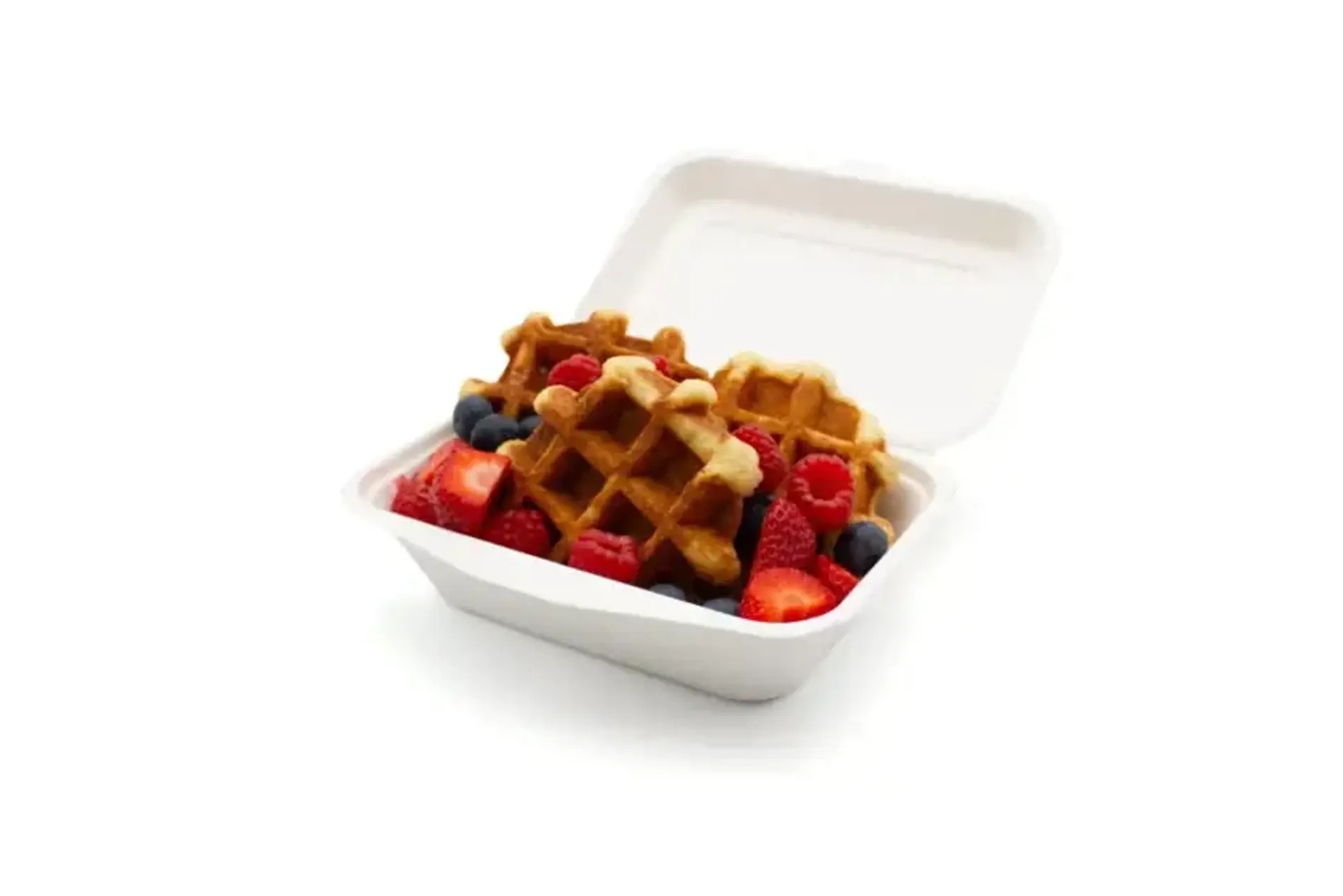
What Are the Best Compostable Takeaway Boxes for a Small Café?
Noelle Nicole Go Emiliano | May 30 2026As small cafés, takeaways and food stalls look for ways to reduce single-use plastic waste, compostable takeaway boxes have become a popular alternative. They give food businesses a more sustainable packaging option while still offering the convenience customers expect from takeaway meals.
However, not all “eco-friendly” containers are equal. Some fibre-based boxes contain plastic linings, some require specialist commercial composting, and others may not perform well with hot, wet or oily foods. This guide explains what the best compostable takeaway boxes are for a small café, which materials to look for, and how to choose packaging that balances sustainability, durability and cost.
It also highlights practical options from B&P Wholesale, a family-run wholesale supplier supporting cafés, caterers, takeaways and food service businesses across the UK.
Key Takeaways
Bagasse is one of the leading compostable materials for takeaway boxes. Made from the fibrous residue of sugarcane, bagasse products are biodegradable, compostable and suitable for hot, wet and oily foods.
Check for plastic linings and certifications. Some paperboard “compostable” containers are lined with PE or PLA, making them difficult to recycle or compost through standard waste streams.
Commercial composting is usually required. Even when packaging is labelled compostable, it may not be suitable for household food or garden waste bins. Clear disposal guidance is important.
Durability and size matter for small cafés. Choose sturdy boxes with hinged lids, stackable designs and the right portion sizes for your menu. B&P Wholesale’s bagasse packaging range includes affordable options for independent cafés.
Why Choose Compostable Takeaway Boxes?
For small cafés, packaging is more than just something to hold food. It affects presentation, heat retention, storage, delivery quality and customer perception. If customers are becoming more conscious about plastic waste, switching to compostable takeaway boxes can help your café show that it is making more thoughtful packaging choices.
Compostable boxes are designed to break down under the right conditions, usually in a commercial composting facility. They are often made from renewable materials such as sugarcane fibre, moulded pulp, wheat straw or certified paperboard.
The challenge is that compostable packaging only works as intended when it is disposed of correctly. That means cafés need to choose the right material, understand its limitations and give customers clear disposal instructions.
Compostable Takeaway Box Materials Explained
Bagasse, or Sugarcane Fibre
Bagasse is a fibrous by-product left after sugarcane stalks are crushed for juice. Instead of being burned or discarded, this natural residue can be moulded into plates, bowls, trays and clamshell takeaway boxes.
For small cafés, bagasse is one of the most practical compostable packaging materials because it is strong, renewable and suitable for a wide range of hot and cold foods. B&P Wholesale’s bagasse range includes meal boxes, plates, bowls and trays made for everyday food service use.
Because sugarcane grows quickly and is harvested annually, bagasse is considered a renewable resource. It also makes use of agricultural residue, which helps reduce reliance on virgin paperboard or plastic packaging.
Performance of Bagasse Takeaway Boxes
Heat and cold tolerance: Bagasse containers can handle hot food and are commonly used for meals that need to stay warm during takeaway or delivery. Many bagasse products are also microwave safe and freezer safe.
Oil and water resistance: Bagasse has natural grease-resistant qualities, making it suitable for saucy, oily or moist foods such as curries, noodles, rice meals, fried food and breakfast items.
Durability: Hinged bagasse boxes help keep meals secure. Stackable designs also save space in busy café kitchens and takeaway counters.
Presentation: The natural white or off-white finish gives food a clean, simple and eco-conscious appearance.
B&P Bagasse Pick
For cafés serving main dishes with sides, the Bagasse Meal Box 9×9″ Three-Compartment from B&P Wholesale is a strong option. The three-compartment layout helps separate rice, mains, salads, sauces or side dishes, while the hinged lid keeps orders secure.
It is available in packs of 50 from £9.60 inc VAT or 200 from £34.32 inc VAT, with unit prices around 17–19p. For small cafés, this offers a practical balance between sustainability, portion control and affordability.
You can also pair bagasse meal boxes with bagasse plates, bowls and chip trays for other menu items such as breakfast portions, fries, cakes, snacks or street food.
Moulded Pulp and Wheat Straw
Some compostable takeaway boxes are made from moulded pulp, recycled paper fibres or wheat straw. These materials can be useful for dry or lightly moist foods, and they offer a similar natural look to bagasse.
However, they may not always perform as well with very wet, oily or heavy meals. Some pulp-based containers can soften when exposed to sauces or steam for long periods. If your café serves saucy dishes, fried food, curries or hot meals, check whether the packaging has enough strength and leak resistance for your menu.
It is also important to check whether the product uses an aqueous coating, PLA lining or other barrier layer. Some coatings may affect whether the container can be recycled or composted through standard waste systems.
Paperboard with PLA or PE Lining
Paperboard takeaway boxes are often marketed as eco-friendly because they look like paper or card. However, many are coated with PE or PLA to make them resistant to moisture and grease.
PE-lined packaging can be difficult to recycle because the plastic layer needs to be separated from the paper. PLA-lined packaging is plant-based, but it usually requires industrial composting and may not be accepted by local councils.
For cafés looking for genuinely compostable takeaway boxes, unlined bagasse is often easier to understand and explain to customers. If you use kraft boxes, bowls and trays, check the product specifications and make sure customers know how to dispose of them correctly.
Plant-Based Bioplastic Containers
Some clear takeaway containers are made from plant-based bioplastics such as PLA or CPLA. These can look like conventional plastic and are often used for cold foods, salads, desserts and deli items.
While they may be labelled compostable, they often need commercial composting facilities to break down properly. They may also contaminate standard plastic recycling if customers place them in the wrong bin.
For small cafés, plant-based bioplastics can be useful when clear presentation is important, but they should be used with caution. If your business needs clear packaging, you may also want to compare options from B&P Wholesale’s plastic containers, portion and deli pots or food platters, depending on your menu and disposal requirements.
Factors to Consider When Choosing Compostable Boxes for Your Café
Portion Size and Box Design
Choose takeaway boxes that fit your menu without leaving too much empty space. Oversized containers can make portions look smaller, waste materials and increase packaging costs. Undersized containers can lead to spills, crushed food and poor presentation.
Compartment boxes work well for meals with sides, sauces or mixed textures. Rectangular trays are useful for sandwiches, fish and chips, rice meals and baked goods. Clamshell boxes are practical for fast service because they do not need separate lids.
Heat Retention and Leak Resistance
If your café serves hot, saucy or oily dishes, packaging performance matters. A takeaway box should help keep food warm, resist leaks and hold its shape during collection or delivery.
Bagasse boxes are a strong option for hot, wet and oily foods. They are designed to handle everyday café and takeaway meals, while their breathable structure can help reduce trapped condensation compared with some plastic containers.
For meals that need reheating, you can also explore B&P Wholesale’s microwavable containers, especially if your café offers meal prep, ready meals or grab-and-go lunches.
Environmental Certifications
Look for packaging made from responsibly sourced materials. Certifications such as FSC or PEFC can help confirm that paper-based fibres come from managed sources.
Avoid packaging with unnecessary plastic windows, mixed materials or unclear coatings. These features can make disposal more difficult and may confuse customers who are trying to recycle or compost correctly.
Disposal Instructions
Compostable packaging only fulfils its promise if it is disposed of properly. In many areas, compostable packaging cannot go into household food or garden waste bins. It often requires a commercial composting service.
Small cafés can help by adding clear signs near bins, training staff to explain disposal options, and adding simple notes to menus or packaging. For example, you could use wording such as:
“Compostable packaging — please dispose through our commercial composting bin.”
“Do not place this container in household recycling.”
“Ask our team where to dispose of your takeaway box.”
Cost and Supplier Reliability
Independent cafés need packaging that is sustainable, but also affordable and easy to reorder. Compostable packaging can cost more than standard plastic or foam alternatives, so it is important to compare pack sizes, unit prices and delivery reliability.
B&P Wholesale is a family-run business with over 50 years of experience supplying catering disposables, food packaging and everyday essentials. Their bagasse meal boxes and plates start from accessible pack sizes, making them suitable for smaller cafés that do not want to overstock.
Cafés can also browse the wider food packaging range alongside catering disposables, cups, carrier bags and paper products for day-to-day café operations.
Other Eco-Friendly Packaging Options
Foil Containers for Hot Foods
If commercial composting is not available, foil containers and lids can be a practical alternative for hot foods. Aluminium trays are lightweight, heat-resistant and widely recyclable when clean.
They work well for curries, pies, pasta bakes, rice dishes, lasagne, roasted meals and catering portions. Customers should be reminded to rinse foil trays before recycling and dispose of contaminated lids correctly.
Kraft Boxes with Removable Liners
Kraft boxes, bowls and trays are popular with cafés because they have a natural, modern look. They are often used for salads, poke bowls, pasta, sandwiches, bakery items and casual takeaway meals.
However, kraft packaging is not automatically recyclable or compostable. If it has a plastic lining, greaseproof coating or heavy food contamination, it may need to go into general waste. Where possible, choose designs with removable liners and give customers clear disposal guidance.
Reusable Containers
Reusable containers remain the most sustainable option because they reduce the need for single-use packaging altogether. Small cafés can encourage customers to bring their own containers by offering incentives, loyalty points or clear messaging at the counter.
Some cafés may also choose to charge separately for disposable packaging. This can make customers more aware of packaging waste and encourage repeat customers to bring reusable containers.
Recommended Products from B&P Wholesale
For small cafés comparing compostable takeaway boxes and other sustainable packaging options, B&P Wholesale offers a practical range of products for hot food, cold food, drinks, snacks and catering service.
Bagasse Food Packaging – Best for cafés that want compostable boxes, plates, bowls and trays for hot, wet or oily foods. A strong choice for takeaway meals, street food and catering.
Foil Containers and Lids – A reliable recyclable option for hot meals, curries, pies, pasta dishes and catering portions when clean.
Kraft Boxes, Bowls and Trays – Suitable for cafés that want natural-looking packaging for salads, rice bowls, bakery items and casual takeaway meals.
Microwavable Containers – Useful for meal prep, ready meals, hot lunches and foods customers may need to reheat.
Portion and Deli Pots – Practical for sauces, dressings, dips, salads, deli items and smaller servings.
Cafés can also browse B&P Wholesale’s wider selection of food platters, cake and cupcake boxes, biodegradable pulp punnets, counter products, till rolls, cleaning products and tins and condiments to support everyday café operations.
Conclusion
So, what are the best compostable takeaway boxes for a small café? For many cafés in Sheffield and across the UK, bagasse takeaway boxes offer the best balance of sustainability, strength, functionality and cost. They are made from renewable sugarcane fibre, work well with hot and oily foods, and are available in practical sizes for independent food businesses.
However, compostable packaging still needs the right disposal route. Café owners should provide clear customer guidance and check whether commercial composting is available. When composting is not practical, recyclable foil trays, suitable kraft packaging or reusable containers may be better options.
By partnering with an experienced supplier like B&P Wholesale, cafés can source competitively priced food packaging from a family-run business that has supported the catering trade for over 50 years.