Are Takeaway Containers Microwave Safe?
Noelle Nicole Go Emiliano | May 30 2026With convenience food and takeaway meals becoming part of everyday life, many customers bring leftovers home and reheat them later. But one common question remains: are takeaway containers microwave safe?
The answer is: sometimes. Some takeaway containers are designed only for short-term food storage and may warp, melt or release chemicals when heated. Others, such as bagasse containers and food-grade polypropylene microwave containers, are made to handle reheating safely.
This guide explains how to identify microwave-safe takeaway packaging, which materials to avoid, and which safer options are available from B&P Wholesale, a family-run supplier with over 50 years of experience serving cafés, takeaways, caterers and food businesses across the UK.
Key Takeaways
Check the material and microwave-safe symbol. Only containers made from microwave-safe materials such as bagasse pulp, corn-starch bioplastic or polypropylene plastic should be reheated.
Polypropylene, or plastic #5, is generally microwave safe. If you see a microwave icon or the number 5 on the bottom of a plastic container, it is usually designed for reheating.
Avoid PET, polystyrene foam and foil. PET plastic, foam containers and any packaging with metallic coatings should not be microwaved because they may warp, melt, spark or release unwanted chemicals.
Bagasse and food-grade paper boxes are often safe for reheating. Takeaway boxes made from sugarcane bagasse or suitable food-grade linings can handle microwave temperatures better than many standard disposable containers.
B&P Wholesale offers practical microwave-safe options. Their microwavable containers and bagasse packaging are useful for meal prep, takeaways and hot food service.
What Makes a Container Microwave Safe?
Look for the Microwave-Safe Symbol
The easiest way to check whether a takeaway container is microwave safe is to look for a microwave-safe symbol. This is often shown as a small microwave icon or three wavy lines. For plastic containers, you may also see the number 5, which identifies the material as polypropylene.
Containers marked with the microwave-safe symbol have usually been designed to withstand microwave heating without melting, warping or transferring unsafe levels of chemicals into food. If the packaging has no microwave-safe symbol, it is better to transfer the food to a ceramic, glass or clearly labelled microwave-safe dish before reheating.
Material Matters
Not all takeaway packaging behaves the same way under heat. Some materials are suitable for microwaving, while others are meant only for cold food, short-term storage or transport.
Polypropylene, or PP #5: A heat-tolerant plastic commonly used for takeaway pots, deli tubs and meal prep containers. It is often labelled microwave safe and is suitable for reheating food when used correctly.
PET, or PET #1: Often used for clear salad boxes, cold deli containers and dessert packaging. PET can soften or warp at higher temperatures and should not be microwaved.
Polystyrene, or PS #6: Commonly used in cheap foam clamshell boxes. Polystyrene foam is not microwave safe and may melt or release unwanted chemicals when heated.
Bagasse and compostable fibre: Made from sugarcane fibre and other plant-based materials. Certified bagasse containers are generally suitable for reheating and are often used for hot, wet and oily foods.
Foil and metallic coatings: Never microwave foil containers, foil lids or packaging with metallic decorations because they can cause sparks, arcing and fire risks.
Check for Coatings and Linings
Some paper or card takeaway boxes have plastic, wax or grease-resistant linings to stop leaks. These coatings may not be suitable for microwave heating unless the packaging is clearly labelled as microwave safe.
This is especially important for kraft boxes, bowls and trays. Kraft packaging may look natural and paper-based, but it is not automatically microwave safe. Always check the product label, supplier information or packaging base before reheating.
Types of Takeaway Containers and Their Microwave Safety
Bagasse and Compostable Fibre Boxes
Bagasse is the fibrous by-product left after sugarcane processing. When moulded into food packaging, it creates a strong, plant-based material that can handle hot, wet and oily foods better than many standard disposable containers.
For cafés and takeaways that want a more sustainable option, bagasse takeaway containers are a strong choice. They are commonly used for hot meals, rice dishes, curries, fried foods, breakfast boxes, catering portions and meal prep.
B&P Wholesale’s bagasse range includes food packaging made from natural sugarcane fibres. These containers are suitable for hot food service and many are designed to be microwave safe, freezer safe, compostable and biodegradable. This makes bagasse a practical option for small cafés, street food vendors and food businesses that want to reduce reliance on plastic.
Polypropylene Plastic Containers
Polypropylene, often marked as PP or #5, is one of the most common microwave-safe plastics used in takeaway packaging. It is heat-resistant, durable and suitable for reheating when the container is labelled for microwave use.
B&P Wholesale’s microwavable containers are useful for meal prep, takeaways, ready meals, sauces, soups and hot food delivery. These round polypropylene microwave containers are designed for convenience, storage and reheating.
Key benefits include:
Microwave and freezer safe for reheating and storage.
Leak-proof and airtight lids to help prevent spills during transport.
Stackable and clear design for easy storage and quick food identification.
Reusable and recyclable, making them practical for food businesses and customers.
These containers are especially useful for restaurants, cafés, meal prep businesses and takeaways that want customers to reheat food safely at home or work.
Polystyrene Foam Boxes and PET Containers
Polystyrene foam boxes and PET containers should generally not be microwaved. Foam clamshells may melt or deform when heated, while PET containers are usually designed for cold food display rather than reheating.
Clear PET packaging is often used for salads, cold desserts, deli foods and chilled items. If a takeaway meal arrives in this type of container, transfer the food to a microwave-safe plate or bowl before heating.
If your business sells cold foods, you may still use clear containers from categories such as plastic containers, portion and deli pots or food platters, but these should only be microwaved when the product is clearly labelled as microwave safe.
Cardboard Boxes with Plastic Lining
Some cardboard takeaway boxes are lined with plastic, wax or grease-resistant coatings to hold sauces, oils and moist foods. Without clear microwave-safe labelling, these boxes should not be reheated.
The lining may soften or transfer into food when exposed to heat. If there is no microwave-safe symbol, it is safer to move the food into a ceramic, glass or microwave-safe polypropylene container before reheating.
Foil Containers and Lids
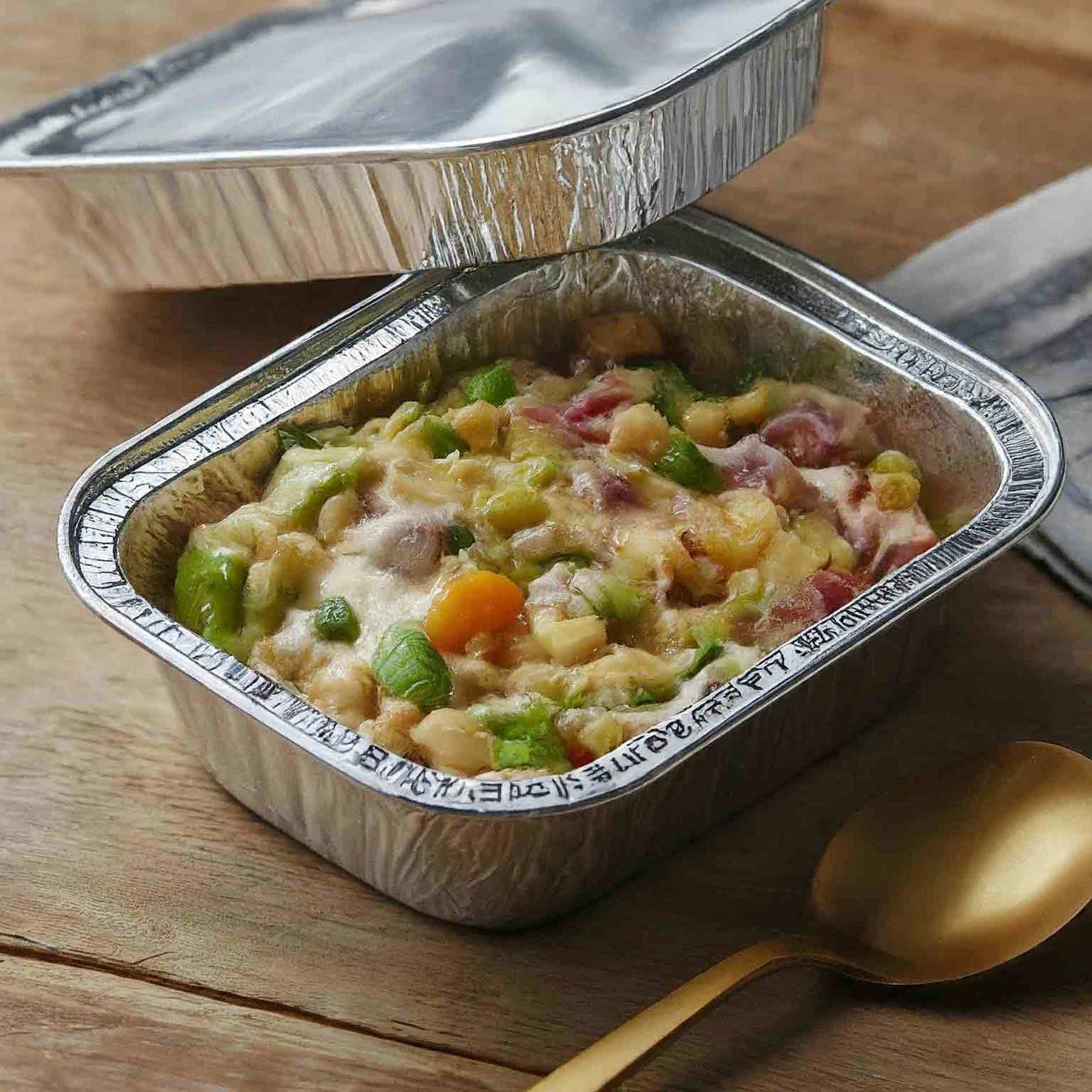
Foil containers and lids are excellent for hot food transport, oven use, catering, curries, pasta bakes, pies and lasagne. However, foil containers should not be used in a microwave.
Aluminium reflects microwave energy and can cause sparks or fire risks. If food is supplied in a foil tray, transfer it to a microwave-safe plate or bowl before reheating.
Health Risks of Microwaving the Wrong Container
Heating takeaway packaging that is not designed for microwave use can create safety and food quality problems. The risks depend on the material, temperature and heating time.
Warping and Melting
Containers made from unsuitable plastic may bend, collapse or melt when heated. This can spill hot food, cause burns and make the meal unsafe to eat. Foam containers are especially prone to losing their shape under heat.
Chemical Migration
Some plastics and coatings may release additives, monomers or unwanted chemicals when exposed to high temperatures. This is why it is important to only microwave containers that are specifically labelled as safe for microwave use.
Fire, Sparks and Arcing
Foil trays, metal handles, metallic print and foil-lined packaging can cause sparks inside a microwave. This can damage the appliance and create a fire risk.
To reduce these risks, only microwave clearly labelled containers, avoid prolonged heating and loosen the lid slightly to let steam escape.
Tips for Reheating Takeaways Safely
Examine the container first. Look for the microwave-safe symbol, the words “microwave safe” or a PP #5 marking.
Avoid PET, PS, foam and foil. If the container is clear PET, polystyrene foam or aluminium foil, transfer the food to a microwave-safe dish.
Remove metal components. Take off foil lids, metal clips, handles or decorative metallic packaging before reheating.
Vent the container. Loosen the lid or leave a small gap so steam can escape and pressure does not build up.
Use short bursts. Reheat food in short intervals and stir between bursts to distribute heat evenly.
Choose safer packaging where possible. For businesses, using microwave-safe PP containers or bagasse boxes helps customers reheat meals more safely.
Sustainable and Eco-Friendly Microwave-Safe Options
Bagasse and Compostable Fibre Containers
Bagasse containers are one of the most useful eco-friendly options for hot takeaway food. They are made from renewable sugarcane fibre, perform well with hot and oily foods, and are suitable for many café and takeaway meals.
Because bagasse is compostable and biodegradable, it can help businesses reduce reliance on fossil-fuel-based plastics. However, compostable packaging still needs the right disposal route, often through commercial composting.
Small cafés, caterers and takeaways can browse B&P Wholesale’s bagasse food packaging for meal boxes, plates, bowls and trays suitable for a range of menus.
Reusable Polypropylene Meal Prep Pots
Reusable polypropylene containers are another practical option. They are durable enough for reheating and storage, and customers may reuse them several times before recycling them.
B&P Wholesale’s microwavable round containers are designed for meal prep, takeaway service and food storage. Cafés can use them for soups, rice bowls, pasta, sauces, curries, desserts and ready meals.
Businesses can also encourage customers to reuse containers at home or return suitable containers through an in-store reuse scheme, helping reduce packaging waste over time.
Avoid Disposable Foam and Non-Microwave PET
Disposable foam and non-microwave PET containers are less suitable for businesses that expect customers to reheat food. They may not be recyclable in many areas and should not be used in the microwave.
Switching to bagasse or microwave-safe polypropylene can improve customer safety, reduce complaints and support a more sustainable packaging approach.
Recommended Products from B&P Wholesale
For cafés, takeaways, restaurants and meal prep businesses, B&P Wholesale offers a wide range of food packaging and catering essentials. If microwave safety is a priority, these product categories are especially useful:
Microwavable Containers – Best for meal prep, soups, sauces, rice dishes, pasta, curries and ready meals. These containers are suitable for reheating, freezing, stacking and takeaway service.
Bagasse Food Packaging – A compostable option for hot, wet and oily foods. Useful for cafés and takeaways that want a plant-based alternative to plastic packaging.
Kraft Boxes, Bowls and Trays – Suitable for natural-looking takeaway presentation, but microwave safety depends on the coating or lining.
Foil Containers and Lids – Great for hot food transport, oven use and catering, but food should be transferred before microwaving.
Portion and Deli Pots – Useful for dips, sauces, salads, deli portions and sides. Only microwave if the specific product is labelled microwave safe.
Food businesses can also browse B&P Wholesale’s wider range of food packaging, catering disposables, cups, carrier bags, paper products, counter products and cleaning products to support day-to-day service.
FAQs About Microwaving Takeaway Containers
Can You Microwave Plastic Takeaway Containers?
Only if they are labelled microwave safe. Polypropylene containers marked with PP, #5 or a microwave-safe symbol are generally suitable for reheating. PET and polystyrene containers should not be microwaved.
Are Bagasse Containers Safe to Microwave?
Yes, many bagasse containers are safe to microwave. Bagasse takeaway boxes made from sugarcane fibre can handle hot food and are commonly used for microwave-safe, freezer-safe and compostable takeaway packaging. Always check the product description before use.
Do Paper Takeaway Boxes with Plastic Lining Go in the Microwave?
Only if they are clearly labelled microwave safe. Many paper boxes have wax, PE or other coatings that may not be designed for heating. If there is no microwave-safe symbol, transfer the food to a microwave-safe dish.
Can You Microwave Foil Takeaway Containers?
No. Foil reflects microwave energy and can cause sparks, arcing and fire risks. Transfer food from foil trays into a microwave-safe container before reheating.
What Is the Safest Takeaway Container for Reheating Food?
Microwave-safe polypropylene containers and bagasse containers are among the safest takeaway packaging options for reheating, provided they are clearly labelled as microwave safe and used according to instructions.
Conclusion
So, are takeaway containers microwave safe? Some are, but many are not. The safest approach is to check the material, look for a microwave-safe symbol and avoid reheating food in PET, foam, foil or unlabelled coated cardboard containers.
Bagasse and polypropylene containers are two of the most practical microwave-safe options for cafés, takeaways, meal prep companies and customers who want to reheat food safely. Bagasse offers a compostable, plant-based alternative, while polypropylene containers are reusable, recyclable and convenient for everyday food service.
B&P Wholesale offers a range of microwave-safe and takeaway-friendly packaging, from round polypropylene microwave containers to bagasse meal boxes. With over 50 years supplying the catering trade in Sheffield and beyond, B&P helps food businesses serve hot meals confidently while supporting safer and more sustainable packaging choices.